Soft Jawline: What It Means and What Can Change Its Appearance
Learn what a soft jawline means, what influences its appearance, which styling options help, and when a recent change needs care.
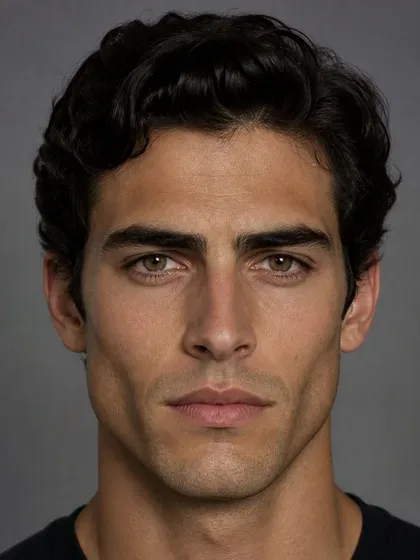
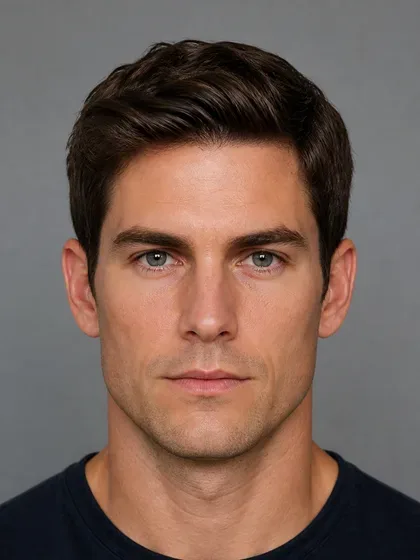
A soft jawline is a normal facial variation in which the transition from the lower jaw and chin to the neck looks gradual rather than sharply angular. Underlying structure, chin projection, natural tissue distribution, skin characteristics, age, posture, and photography can all influence that appearance.
A soft contour does not automatically indicate excess weight or poor health, and it does not determine attractiveness. A naturally slim person can have a softly outlined lower face, just as someone with a more angular jaw can look softer in a close selfie.
What a soft jawline does and does not mean

“Soft” describes the visible jawline, not a diagnosis. Several features contribute to it:
- The lower jaw: The mandible provides the underlying bony framework.
- The jaw angle: The turn near the back of the lower jaw contributes to its outline, particularly in side and three-quarter views.
- Chin projection: How far the chin extends forward affects the profile and its transition toward the neck.
- The area beneath the chin: Sometimes called the submental area, this includes tissues that influence the visible chin-to-neck transition.
- Skin and other soft tissues: These cover the framework and help determine how distinctly its edges appear.
None of these features determines the whole result. A visible jaw angle can coexist with fullness beneath the chin. A less projecting chin can accompany a relatively angular lower jaw.
Sharpness is also not a universal beauty standard. Softer contours can complement fuller cheeks, a rounded chin, or the overall proportions of the face. Descriptions such as soft, angular, rounded, and tapered are flexible visual references, not categories anyone needs to fit perfectly.
Three influences on how the jawline appears
A useful way to understand the outline is to consider structure, soft tissue, and presentation. These categories overlap. The clues below can help organize what you observe, but they cannot establish an underlying cause from appearance alone.
1. Underlying structure
Structure may contribute substantially when:
- The broad lower-face outline has looked similar over many years.
- You see a similar contour in a mirror and ordinary, non-close-up photos.
- The overall shape remains recognizable under different lighting and comfortable head positions.
These patterns suggest a longstanding trait, not a particular bone shape or genetic explanation. Soft tissues can also remain consistent over time.
2. Soft tissue
Soft-tissue contributions may be more noticeable when:
- Fullness is visible around the lower face or beneath the chin in different views.
- The outline has gradually changed alongside changes in skin texture or tissue position with age.
- The chin-to-neck transition folds or shifts somewhat when you smile, turn, or lower your head.
Movement-related folds are not, by themselves, evidence of excess tissue or a problem. Skin and other tissues need to move with the head and neck.
3. Context-dependent presentation
Presentation may be a substantial influence when:
- Softness appears mainly in close selfies rather than at ordinary viewing distance.
- The outline changes noticeably when you lower, extend, or turn your head.
- Different lighting, hair placement, or collar contrast makes the edge appear stronger or weaker.
A contour can be structurally soft and also look different under directional light. Equally, an angular jaw can lose its visible edge in a blurred or brightly front-lit photo.
These observations cannot identify body composition, fluid retention, skin laxity, genetics, or a medical condition. Several influences usually operate together.
A four-outcome check for understanding what you see
Use a mirror at a comfortable distance and one or two ordinary photos with a relaxed expression. Avoid filters and pictures taken extremely close to your face. This is a brief comparison, not a measurement exercise.
-
It looks consistent across mirrors and ordinary photos. Treat it as a likely stable appearance trait. If you want a different visual effect, choose grooming or styling based on preference, not an assumed need to correct your face.
-
It looks softer mainly in close camera shots. Compare that image with a portrait taken from farther away. Give less weight to the close selfie rather than treating it as a precise representation of your proportions.
-
It changes mainly with head position or expression. Recognize this as a presentation variable. Return to a comfortable, relaxed position when comparing images. Holding your chin forward may change the view temporarily, but it does not rebuild the jaw.
-
It is new, especially with physical symptoms. Note when the change started and whether there is pain, swelling, a lump, difficulty swallowing, or a one-sided difference. Seek appropriate healthcare advice rather than relying on appearance analysis.
One or two calm comparisons are enough for this purpose. Repeated mirror checks, appearance scores, and comparisons with edited social-media images are unlikely to clarify the cause.
Why the jawline can look different in photos
A photograph turns a three-dimensional face into a flat image. The visible jaw-to-neck boundary therefore depends partly on perspective, overlap, and shadow.
- Camera distance: A nearby camera exaggerates differences between features nearer to and farther from the lens. The chin, lower face, and neck can appear differently proportioned than they do from a conversational distance.
- Lens and framing: Wide-angle phone cameras make close framing easy, and some views stretch features near the frame edges. Perspective primarily follows camera position, so switching lenses without considering distance does not automatically resolve the effect.
- Head position: Lowering the chin brings the underside of the chin closer to the neck. Extending or turning the head changes tissue position and which edges overlap.
- Lighting: Even frontal light can reduce visible shadows. Directional light may create a stronger boundary beneath the lower face without changing its anatomy.
- Hair and clothing contrast: Hair ending near the lower face can merge with or frame its outline. A high collar may obscure the neck, while a contrasting neckline can make the surrounding space more noticeable.
- Image processing: Blur, compression, smoothing filters, sharpening, and portrait-mode errors can soften or exaggerate boundaries.
This explains why a relatively angular jaw may still appear soft in a close selfie. Neither the sharpest nor the softest photograph should be treated as an anatomical assessment.
Low-risk ways to change the visual effect
Styling can change framing and contrast without changing the underlying structure. Choose an option that fits your routine and the effect you actually want.
In the table, duration refers to the visual effect, not a permanent anatomical change.
| Approach | Visual effect and duration | What it cannot do |
|---|---|---|
| Hairstyle placement | Reframes the lower face; while styled | Alter bones or remove tissue |
| Neckline choice | Changes surrounding contrast; while worn | Change facial or neck anatomy |
| Contouring makeup | Adds shadow; until washed off | Create physical projection |
| Facial-hair shaping | Alters the visible outline; until growth changes it | Change the underlying jaw |
| Comfortable posture | Changes overlap; while the position lasts | Permanently reshape the face |
| Professional consultation | Clarifies possible options; no immediate physical effect | Guarantee suitability or results |
Hair and necklines: adjust framing
If you want to emphasize a soft outline, rounded volume or ends that curve inward may suit that preference. If you want a more distinct boundary, moving some hair away from the lower face can expose the edge rather than blending it into surrounding volume.
Texture, density, length, and daily styling time matter. A sleek reference photo may depend on blow-drying or straightening rather than the cut alone.
For clothing, compare a high collar with an open crew, scoop, or V-neck. These create different areas of visible neck and different contrast around the lower face. There is no universally best neckline.
Makeup and facial hair: add a temporary boundary
For subtle makeup contouring, apply a small amount of matte contour beneath the lower-face edge and blend downward. Check it in ordinary daylight. A hard, dark stripe may read as makeup rather than a natural shadow, especially from the side.
Where facial-hair growth allows, changing the neckline and the amount of length beneath the chin can alter the silhouette. A barber can help distinguish the beard’s visible edge from the underlying facial outline. Sparse growth may limit which shapes are practical.
Posture: prioritize comfort
A comfortable upright position can change how the chin and neck overlap. Avoid sustained chin jutting, neck extension, or jaw clenching to maintain a particular look. Posture is a presentation and comfort consideration, not a method of permanent facial reshaping.
What exercises, mewing, massage, and weight changes can realistically do
Claims about changing a soft jawline range from temporary visual effects to medical procedures. Separating them by the kind of change they can plausibly produce helps set realistic expectations.
1. Reversible styling effects
Styling can alter visible framing, contrast, or shadow. It does not provide evidence that the underlying tissue or structure has changed.
2. Temporary presentation changes
Expression and head position can change the visible outline immediately. These effects last only while the expression or position is maintained, and forcing an uncomfortable pose is unnecessary.
3. Broader body-composition changes
Changes in overall body composition can affect facial fullness for some people. The amount and location of change vary, and a naturally soft contour may remain similar.
A slim person may already have little facial fullness but still have a gradual chin-to-neck transition. Weight change is not a reliable way to target one feature and should not be pursued solely to create a sharper outline.
4. Unsupported or unproven reshaping claims
Exercise cannot selectively reduce fat from the jaw or neck area. Gum routines, chewing devices, and massage cannot selectively remove fat there either. Massage should not be presented as a way to permanently tighten skin, reshape bone, or remove tissue.
Avoid massaging unexplained swelling, a painful area, or a new lump. These changes call for appropriate medical or dental assessment rather than a contouring routine.
Jaw exercises and “mewing,” commonly described online as a tongue-posture technique, should not be promised to reshape adult jaw bones. Forceful chewing routines can also strain the jaw and aggravate discomfort. Stop if an activity causes pain, and seek dental or medical advice for persistent symptoms.
5. Clinician-delivered interventions
Medical and cosmetic procedures target specific structural or tissue features. Their suitability, limitations, risks, and recovery differ, so the relevant feature must be assessed before an option can be discussed responsibly.
How professional cosmetic options differ
“Soft jawline” is too broad a description to identify an appropriate treatment. Different approaches target different features:
- Projection or support: Certain injectable treatments, implants, or operations aim to change the appearance of the chin or lower-jaw outline. Injectable treatments and implants do not work in the same way as surgery that repositions bone.
- Fullness beneath the chin: Fat-removal approaches target selected tissues, but they do not address every reason for a gradual chin-to-neck transition.
- Skin characteristics: Some energy-based treatments aim to improve skin firmness. Suitability and the degree of change vary, and these treatments are not interchangeable with surgical lifting.
- Skin and tissue position: Surgical approaches may address selected lower-face or neck concerns, with recovery and procedure-specific risks.
Injectable treatments can involve bruising, infection, and rare serious vascular complications. Energy-based treatments can cause burns or pigment changes. Surgery and implants bring risks such as scarring, infection, nerve injury, and anesthesia-related complications. This is not an exhaustive list.
A qualified, appropriately licensed professional should assess anatomy, goals, health history, and alternatives before discussing suitability. Ask what feature an approach targets, what it will leave unchanged, what complications are possible, and what recovery involves.
No procedure is universally appropriate or necessary. AI appearance analysis cannot diagnose the cause of a contour or determine candidacy for cosmetic treatment.
When a change needs medical attention
The timing of a change and any accompanying symptoms matter more than whether the outline looks soft or angular.
Make a medical or dental appointment
Arrange an assessment if you notice:
- A persistent, unexplained lump or swelling.
- A change that continues to enlarge.
- A new one-sided difference that does not settle.
- A gradual change that concerns you, even without severe symptoms.
A longstanding, symptom-free soft jawline is usually an appearance variation rather than an urgent concern. Appearance alone, however, cannot explain a new physical change.
Seek prompt or urgent assessment
Get prompt medical or dental advice if swelling is becoming more painful or is accompanied by redness, fever, dental pain, or other signs of infection. New difficulty swallowing together with neck, mouth, or throat swelling also warrants urgent assessment.
The NHS guidance on mouth and throat swelling explains why swallowing and airway symptoms require a higher level of urgency.
Seek emergency care
Call emergency services if there is:
- Difficulty breathing.
- An inability to swallow saliva.
- Rapidly expanding swelling of the neck, mouth, or throat.
- Sudden facial drooping, particularly with arm weakness, numbness, confusion, or speech difficulty.
Sudden facial drooping can be a sign of stroke. The CDC stroke guidance lists the main warning signs and recommends immediate emergency action.
Cosmetic advice and online image analysis are not appropriate substitutes for evaluating physical symptoms.
Choose the next step that matches your goal
Preserve natural softness
Keep the contour as it is, or choose hair, clothing, and grooming that complement it. Comfort and personal style are sufficient reasons for a choice. No change is also a valid choice.
Create more visual contrast
Start with one reversible adjustment: move hair away from the lower face, change neckline contrast, use subtle makeup, or adjust facial-hair shaping where relevant. Assess whether you like the effect in everyday settings and whether the upkeep suits you.
Investigate a recent change
Note when the change began, whether one or both sides are affected, whether it is getting larger, and whether there is pain, swelling, swallowing difficulty, or another symptom. Seek healthcare guidance rather than repeatedly comparing photos or experimenting with reshaping routines.
These goals are equally valid. The useful distinction is between choosing a visual effect and investigating a physical change, not between a supposedly correct or incorrect facial outline.