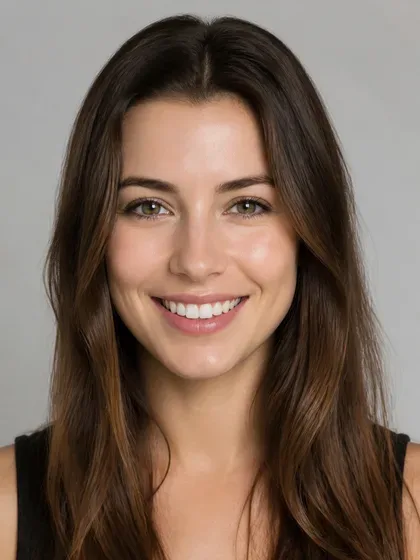
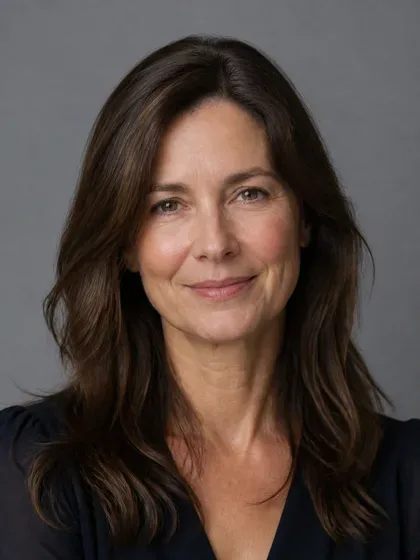
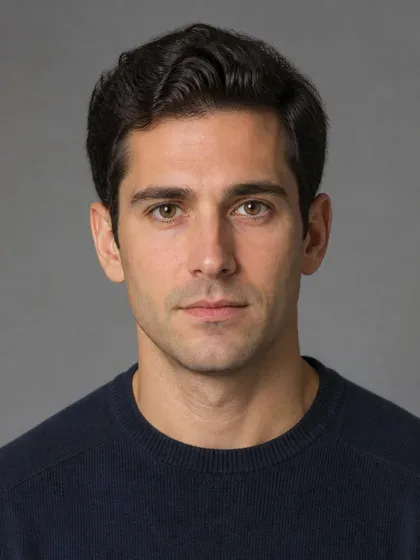
SEE HOW OLD YOU LOOK
Face Age Detector
Upload one selfie and discover how old your face appears. Get an AI estimate of your apparent age based on visible facial features.

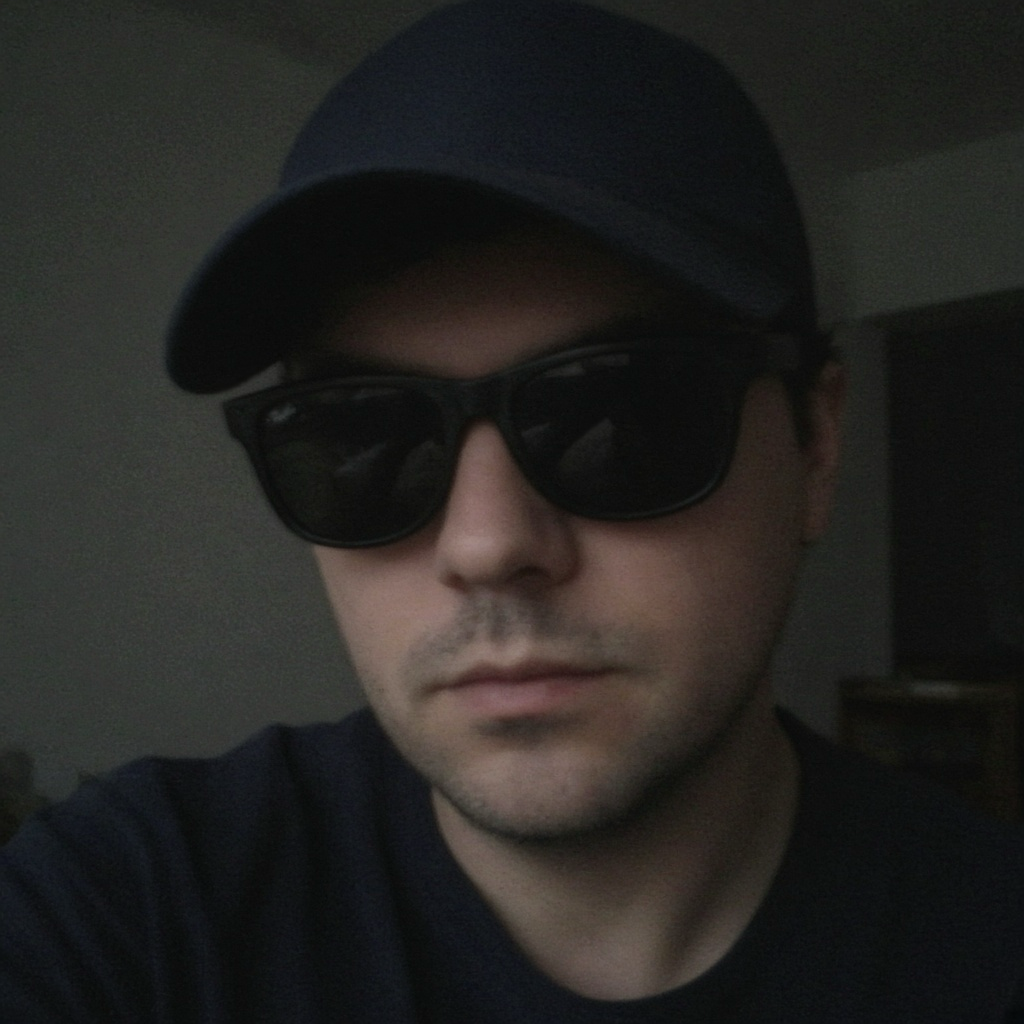
Use a clear, front-facing selfie with good lighting and your face fully visible.
How it works
How it works
- 01
Upload Your Selfie
Choose a recent, clear photo where your entire face is visible. Natural lighting and a front-facing angle provide the best starting point.
- 02
Analyze Your Visible Facial Features
Facefy examines visual characteristics associated with apparent age, including skin appearance, facial contours and other visible features.
- 03
Discover Your Face Age
See an estimate of how old you may appear in your photo and explore the facial characteristics that can influence perceived age.
Guide
How Old Do I Look?
It is a question almost everyone has wondered about at some point: How old do I actually look?
Your chronological age is simple. It is determined by your date of birth.
Your apparent age is different.
It describes the age that someone might guess based only on your visible appearance. That estimate may be close to your actual age, but it can also be several years younger or older.
Facefy's Face Age tool lets you explore this difference from a photo.
Upload a clear selfie and discover an estimate based on visible facial characteristics associated with age.
The result is not your biological age, and it cannot determine how healthy your body is or how quickly you are actually aging.
It answers a much simpler and more entertaining question:
How old does my face look in this photo?
What Is a Face Age Detector?
A face age detector is a tool designed to estimate apparent age from visible characteristics in a facial image.
Humans make similar judgments naturally.
When you meet someone for the first time, you can usually form a rough impression of their age without knowing their date of birth.
That impression comes from multiple visual signals rather than one specific feature.
An age-estimation tool attempts to interpret patterns in a similar general category: facial texture, contours, visible lines and the relationships between different features can all contribute to the result.
The important word is estimate.
A photograph does not contain your birth date, medical history or biological age. It contains visual information.
Face Age therefore describes how old you appear, not how old you actually are.
Apparent Age vs. Actual Age
Your actual age and apparent age measure completely different things.
If you are 35 years old, you are 35 regardless of whether someone thinks you look 29 or 41.
Apparent age is subjective and influenced by appearance.
Even the same person can appear to be different ages in different photographs.
A professional portrait with flattering lighting may create one impression. A tired selfie taken late at night may create another.
Expression matters.
Hair and styling matter.
Lighting matters.
Even the camera can matter.
This is why a Face Age result should never be interpreted as a precise measurement of aging.
Think of it as an analysis of how your appearance is represented in one image.
What Facial Features Can Influence How Old You Look?
There is no single “age feature” in a face.
Instead, perceived age comes from many visible characteristics working together.
Skin texture and visible lines can contribute to age perception. The appearance of the eye area can also influence the impression, particularly because changes around the eyelids and under-eye region can become more noticeable over time.
Facial contours can contribute as well.
Soft tissue distribution changes naturally throughout adulthood, which can affect how areas such as the cheeks and jawline appear.
However, none of these characteristics belongs exclusively to one age group.
A younger person can naturally have visible under-eye lines. An older person can have relatively smooth skin. Genetics, expression and individual anatomy create enormous variation.
That is precisely why age estimation should be treated as approximate rather than definitive.
Why Do Some People Look Younger Than Their Age?
There is no single reason.
Genetics can play a major role in visible facial characteristics. Skin properties, facial structure and how certain features change over time vary considerably between individuals.
Lifestyle and environment can also influence appearance.
Sun exposure, sleep, stress and other factors may affect how the skin looks, although you cannot reliably determine someone's lifestyle simply by looking at their face.
Styling creates another layer.
Haircuts, hair color, facial hair, makeup and clothing can all influence how old someone appears to another person.
Even facial expression matters.
A smiling, relaxed photograph may create a different age impression from a serious expression under harsh lighting.
Apparent age is therefore the result of many interacting visual signals, not one secret characteristic.
Why Do I Look Older in Some Photos?
If you have ever thought, “I look ten years older in this picture,” you are not imagining the effect photography can have.
Lighting is one of the biggest reasons.
Strong overhead lighting can create shadows beneath the eyes, nose and facial contours. Side lighting can emphasize skin texture. Softer frontal lighting can reduce the visibility of the same shadows and textures.
Camera distance also matters.
A photograph taken extremely close to your face can distort proportions. Different lenses reproduce facial depth differently, especially at short distances.
Then there is expression.
Squinting, frowning or tensing your face can temporarily create lines and shadows that are less noticeable when your expression is relaxed.
One photo is therefore not an absolute representation of your appearance.
If your Face Age result seems unusual, try another clear photo under neutral conditions.
Can Lighting Change Your Face Age Result?
Yes.
Lighting changes what the camera sees.
Bright frontal lighting tends to reduce shadows across the face. Directional lighting creates more contrast and may emphasize skin texture and facial contours.
Extremely warm or cool lighting can also change the overall appearance of the image.
This does not mean one type of lighting makes your “real” age younger or older.
It simply means photographs capture light, and light affects visible facial information.
For a more representative Face Age estimate, natural daylight or soft, even indoor lighting is generally preferable.
Avoid intentionally choosing either the most flattering or least flattering photo you can find.
A normal photograph is more useful if your goal is to see how old you typically appear.
Does Facial Expression Affect How Old You Look?
It can.
Your expression changes the position of the skin and muscles around your eyes, mouth, cheeks and forehead.
Smiling can create temporary lines around the eyes. Raising your eyebrows creates forehead lines. Squinting changes the appearance of the eye area.
A very serious expression can also produce a different overall impression from a relaxed one.
None of these changes means your actual facial age has changed.
They simply show why apparent age cannot be perfectly separated from the photograph used to estimate it.
If you want to compare results, use images with similar expressions rather than comparing a broad smile in one photograph with a completely different expression in another.
Does Your Hairstyle Affect How Old You Look?
Hair can strongly influence age perception even though it is not part of your underlying facial structure.
Hair color, length, cut and styling all contribute to the overall image someone sees.
A different haircut changes how the face is framed. Bangs can cover part of the forehead. Shorter cuts can expose more of the jaw and neck, while longer styles create a different outline around the face.
Hair color changes contrast too.
If you are curious about how changing your hair could affect your overall appearance, Facefy's AI Hairstyle Try-On lets you explore different cuts and styles.
You can also experiment with different shades using the Hair Color Try-On.
These tools do not change your actual age, of course, but they can help you explore how styling influences your overall look.
Does Face Shape Affect Perceived Age?
Face shape itself does not have a fixed age.
Round, oval, square, heart, diamond and oblong faces can all occur at any adult age.
However, facial contours contribute to the complete visual impression of a person.
The relationship between the cheeks, jawline and overall facial outline may change gradually over time, while the underlying face shape remains broadly recognizable.
This means age estimation and face-shape analysis should be treated as separate questions.
If you want to identify your facial outline rather than estimate age, Facefy's Face Shape Detector is designed specifically for that purpose.
Separating these analyses makes the results easier to understand.
Your face shape describes your proportions.
Your Face Age estimates how old your visible appearance may seem in a particular photo.
Does Facial Symmetry Make You Look Younger?
Facial symmetry and apparent age are different characteristics.
Natural left-to-right differences exist at every age.
One eyebrow may sit slightly higher than the other. One eye may appear more open. The two sides of the jaw may differ subtly.
These variations do not provide a reliable way to determine someone's age.
Similarly, a highly symmetrical face is not automatically younger-looking, and natural asymmetry does not automatically make someone appear older.
If you are interested in comparing the two sides of your face, use Facefy's Symmetry Checker rather than trying to interpret symmetry through an age result.
Can Face Age Tell Me My Biological Age?
No.
This distinction is important.
Biological age is a much broader concept relating to the condition and functioning of the body. It cannot be reliably determined from a selfie.
Facefy's Face Age tool does not diagnose health, measure lifespan, evaluate internal aging or determine the condition of your organs.
It estimates apparent facial age from visible information in a photograph.
If Facefy estimates that a 40-year-old looks 34, that does not mean their body is biologically 34.
Likewise, appearing older than your chronological age in one photo does not mean you are aging abnormally or that something is wrong with your health.
The result should be interpreted only in the context in which it was produced: visual age estimation.
How Accurate Is an AI Age Detector?
Age estimation from a photograph has unavoidable limitations.
There is no visible feature that reveals an exact birth date.
Two people of exactly the same age can look very different, while two people separated by many years can sometimes appear similar in age.
The photo itself introduces additional variables.
Lighting, image quality, camera angle, expression, makeup, facial hair and styling can all affect the visible information available for analysis.
For those reasons, an AI age detector should be viewed as providing an estimate or range rather than an unquestionable answer.
The most useful way to approach it is with curiosity.
See the result, understand what it represents and avoid treating a difference of a few years as something scientifically significant.
What Photo Should You Use for a Face Age Test?
Use a clear, recent photograph that represents how you normally look.
Face the camera directly and keep your head in a natural position.
Your face should be visible from the forehead through the chin.
Avoid strong beauty filters, especially filters that smooth skin, reshape features or alter the eye area. Those modifications change the exact visual information an apparent-age estimate is based on.
For the clearest starting point:
- Use a recent photo.
- Face the camera directly.
- Choose even, natural lighting.
- Keep your full face visible.
- Use a relaxed expression.
- Avoid strong beauty filters.
- Avoid extreme camera angles.
- Avoid heavily blurred or low-resolution images.
If you want to compare two results, try to use photographs taken under similar conditions.
Why You Should Not Take a Face Age Score Too Seriously
Age estimation can be fun precisely because the answer is not always what you expect.
You might appear several years younger than your actual age.
You might get almost exactly your chronological age.
You might receive an older estimate from one photograph and a younger one from another.
None of these results changes who you are.
The estimate does not measure health, attractiveness or personal value.
It is simply one interpretation of visible facial information.
If you want to explore other aspects of your appearance, it makes more sense to treat them separately rather than turning every facial characteristic into one overall score.
For example, you can explore your Eye Shape, identify your Face Shape or examine proportional relationships with Facial Ratios.
Explore Your Face Beyond Apparent Age
Your apparent age is only one small aspect of how your face can be described.
You may also be curious about your overall shape, the structure of your jaw, your eye characteristics or the relationships between different facial features.
Facefy lets you explore each question individually.
Use the Jawline Rating for the lower facial outline, the Symmetry Checker for visible left-to-right balance or the Face Report for a broader overview.
Each tool focuses on a different characteristic.
Together, they provide a more interesting picture than trying to reduce your entire appearance to a single number.
Start with Face Age to answer the question that brought you here:
How old do I look?
Then explore whatever you are curious about next.
FAQ
Frequently asked questions
How old do I look?
Facefy's Face Age tool estimates how old you may appear based on visible characteristics in your photo. The result represents apparent age rather than your actual or biological age.
What is a face age detector?
A face age detector analyzes visible facial information in a photograph to estimate the age a person may appear to be.
Can AI tell my exact age from a photo?
No. A photograph does not reveal an exact birth date. AI can estimate apparent age, but the result should not be treated as an exact determination of chronological age.
Why do I look younger than my actual age?
Genetics, facial characteristics, skin appearance, styling, lighting and many other factors can influence how old someone appears.
Why do I look older in some photos?
Lighting, camera angle, lens distortion, expression and image quality can all change how facial features and skin texture appear.
Can makeup change my Face Age result?
Potentially. Makeup can alter visible skin texture, contrast and the appearance of certain facial features, which may influence perceived age in a photograph.
Does hair color affect how old I look?
Hair color and hairstyle can influence overall age perception because they change the visual frame and contrast around the face. You can explore different options with Facefy's Hair Color Try-On.
Is Face Age the same as biological age?
No. Face Age estimates visible apparent age. It does not measure biological aging, health or the internal condition of your body.
What photo should I use?
Use a recent, front-facing photo with even lighting, a natural expression and no strong beauty filters.
Why did I get different age estimates from different photos?
Different photographs contain different visual information. Lighting, expression, camera position, styling and image quality can all influence apparent age.
Can I analyze other facial characteristics?
Yes. You can continue with Facefy's Face Shape Detector, Eye Shape, Symmetry Checker or Face Report to explore other visible facial characteristics.
See how old your face appears on camera
Upload one selfie and get an AI estimate of your apparent age from visible facial features.
Check my face ageNo signup required · Your photo stays private