Hunter Eyes: Meaning, Features, Photo Check, and Realistic Changes
Learn what hunter eyes means, which traits the label combines, how photos distort them, and which appearance changes are realistic.
“Hunter eyes” is an informal internet aesthetics label, not a medical diagnosis or scientifically standardized eye type. It usually describes a combination of horizontally elongated eye openings, limited visible upper eyelid, neutral or slightly elevated outer corners, an apparently deep-set position, and relatively close brow-to-eye spacing.
These features vary independently, so there is no agreed checklist or measurement that establishes the label. They also do not objectively determine attractiveness, personality, masculinity, femininity, dominance, or personal worth. Examining each trait separately provides more useful information than trying to confirm a single internet category.
What Do Hunter Eyes Look Like?
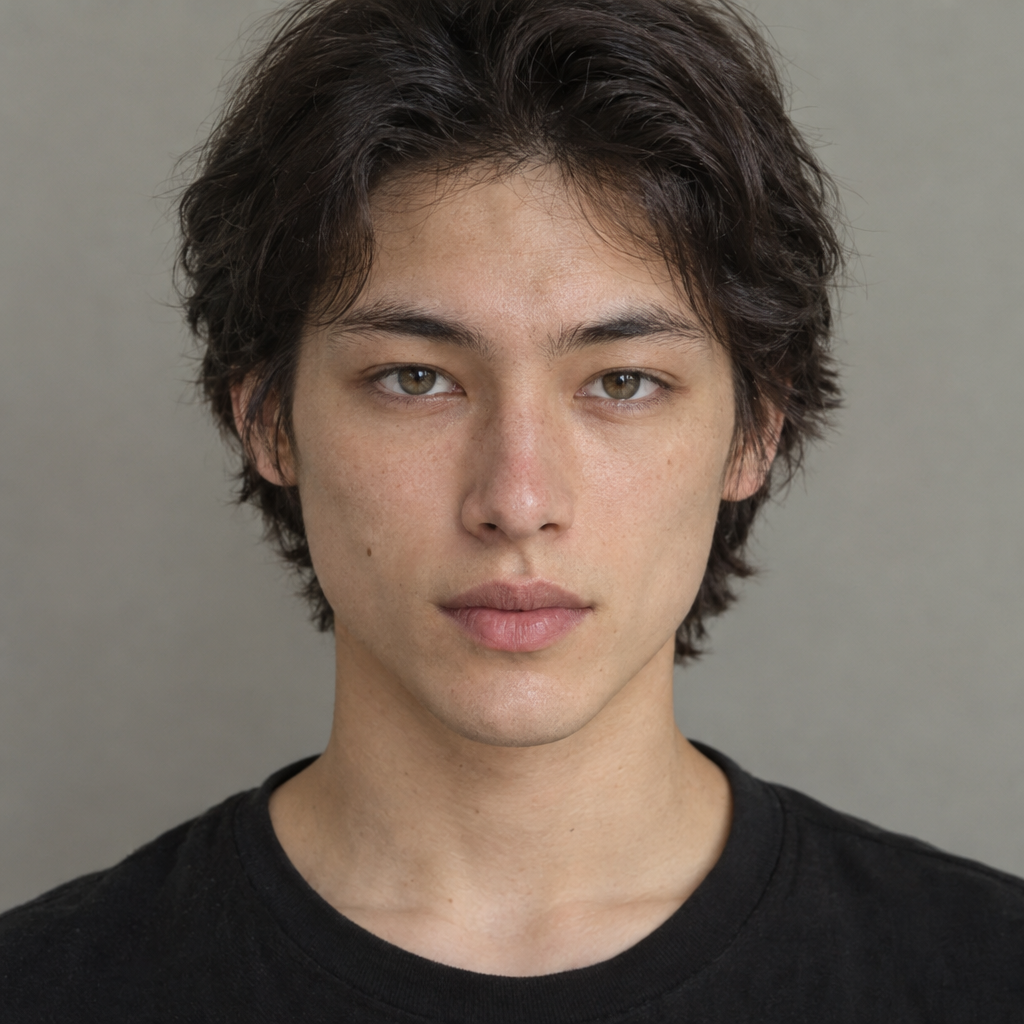
Online examples commonly show eyes that look elongated rather than round, with relatively little visible upper-lid surface and a brow area that appears close to the eyes. But examples are inconsistent: some rely on natural eyelid structure, while others emphasize squinting, shadows, or camera angle.
The label becomes clearer when separated into five observable variables.
| Variable | What to observe | Photo influences |
|---|---|---|
| Eye-opening shape | Horizontal elongation versus vertical opening | Squinting, expression, eyeliner, camera perspective |
| Outer-corner position | Outer corner height relative to inner corner | Head roll, camera rotation, camera height, facial rotation |
| Visible upper lid | Skin visible above the upper lashes | Raised brows, gaze, makeup, shadows |
| Apparent eye depth | Eye position beneath the surrounding brow | Side lighting, head angle, brow shadows |
| Brow-to-eye spacing | Gap below the eyebrow and above the eye | Brow tension, grooming, perspective, tight cropping |
A horizontally elongated or almond-like opening is only one feature. It does not tell you how much eyelid is visible, where the outer corners sit, or how deep the eyes appear beneath the brow.
Small differences between your eyes are normal. One upper lid may be more visible, or one eyebrow may naturally sit higher. Those differences do not require a single label or correction.
Terms such as “hunter” and “prey” sometimes turn these variations into an online hierarchy. That hierarchy is not an anatomical classification, and it does not make one appearance superior to another.
Hunter Eyes vs. Almond, Hooded, and Deep-Set Eyes
These descriptions can overlap because they refer to different aspects of the eye area.
| Term | Describes | Main distinction |
|---|---|---|
| Hunter eyes | Loose combination of traits | Informal label without standardized criteria |
| Almond-shaped eyes | Outline of the visible opening | Elongated opening with tapered corners |
| Hooded eyes | Upper-eyelid coverage | Skin partly obscures the eyelid crease |
| Deep-set eyes | Apparent orbital depth | Eyes appear recessed beneath the surrounding brow |
Almond-shaped describes the outline between the upper and lower eyelids. The opening looks horizontally elongated, usually with tapered inner and outer ends. Iris contact with the lids can offer another clue, but gaze and expression affect it.
Hooded describes skin that overlaps and partly conceals the upper eyelid crease. Hooding is not the same as having no crease, and limited upper-lid visibility alone does not explain its cause.
Deep-set describes the eyes’ apparent position relative to the surrounding brow and bony socket. A dark shadow beneath the eyebrow can exaggerate this impression without demonstrating actual depth.
A person can have almond-shaped, hooded, and deep-set eyes at the same time. They can also have just one of those characteristics without resembling common “hunter eyes” examples.
What Canthal Tilt Means
Canthal tilt describes the apparent angle between the inner and outer eye corners. The corners are also called the canthi.
In a straight, level photograph, use a horizontal reference through the inner corners and compare each outer corner with that level:
- Positive apparent tilt: the outer corner sits higher than the inner corner.
- Neutral apparent tilt: the corners sit at approximately the same height.
- Negative apparent tilt: the outer corner sits lower than the inner corner.
These are directional descriptions, not ratings of attractiveness or character.
The reference only helps when the head and camera are level. Head roll means tipping the head sideways toward one shoulder. Camera roll is different: it occurs when the camera itself is rotated clockwise or counterclockwise, causing the entire image to appear tilted. Either can make one outer corner look raised and the other lowered.
Camera height is another variable. Placing the camera above or below eye level changes the viewing angle and apparent relationship between the eyelids and corners. When the natural difference is subtle, this perspective shift can reverse whether the tilt appears positive or negative. Facial rotation can create further differences between the nearer and farther eye.
Do not rotate a tilted photograph merely to force both inner corners onto a horizontal line. That can conceal pose or camera problems rather than resolve them. Retake the photo with your head upright and the camera level at eye height instead.
Expression, squinting, and natural differences between the eyes add uncertainty. A photo-based estimate is not a clinical measurement.
A Controlled Photo Check for Your Eye Area
The goal is to describe visible traits, not prove that you belong to a category. Use at least two photographs before drawing even a tentative visual conclusion.
- Keep your head upright. Sit or stand comfortably without tipping your chin, turning your face, or rolling your head toward a shoulder.
- Relax your expression and eyebrows. Look straight ahead with your eyes comfortably open. Avoid deliberate squinting, widened eyes, or raised brows.
- Put the camera at eye level. Keep it at least an arm’s length away. A timer and stand can help you move farther back without changing your posture.
- Use soft, diffuse frontal light. Face a window with indirect daylight. Avoid strong overhead or side lighting that deepens brow shadows.
- Keep the eye area visible. Move hair aside and remove glasses for this observation. If eyeliner or lashes obscure the corners, compare without them.
- Take a second image under the same conditions. Relax between shots rather than holding a strained expression.
- Compare the five variables separately. Look at opening outline, corner height, upper-lid visibility, apparent depth, and brow spacing.
Use these decision criteria:
- Similar in both images: describe the visible tendency, such as “elongated opening with limited upper-lid show.”
- Different between images: treat that feature as uncertain rather than choosing the preferred result.
- Different between your eyes: describe each separately without assuming either needs changing.
Stop after this short comparison. Repeated close-ups and tiny angle measurements are unlikely to make an informal label more meaningful.
Why Your Eyes Look Different in Selfies, Mirrors, and Other Photos
A close selfie and a portrait taken farther away do not show facial relationships in exactly the same way.
Distance changes perspective. At close range, features nearer the camera appear disproportionately larger. This can change how the eyes relate visually to the nose, temples, and brow. Focal length affects framing and often influences shooting distance, but switching lens labels without moving the camera does not solve close-range perspective effects.
Other common sources of conflicting impressions include:
- Head angle and camera height: looking slightly down toward a camera can change lid visibility and brow shadows.
- Head or camera roll: a small sideways tilt changes the apparent corner relationship.
- Expression: squinting narrows the opening, while raised eyebrows can expose more upper lid.
- Lighting: overhead light can make eyes appear more recessed; diffuse frontal light reduces those shadows.
- Makeup and hair: liner changes the perceived outline, while brows and fringe alter framing.
- Tight cropping: removing the forehead and cheeks makes the eye area harder to interpret in context.
- Image processing: smoothing, sharpening, filters, and perspective correction can modify lid edges and shadows.
A mirror shows the reflected view you may be most familiar with. A non-mirrored photograph presents the opposite left-right arrangement, which can make familiar asymmetries look unusual without indicating a physical change.
If you want help separating broad opening and eyelid descriptions, Facefy’s Eye Shape Detector offers an optional AI-generated visual estimate from a photo. Treat it as a starting point affected by lighting, pose, and image quality, not a diagnosis or confirmation of “hunter eyes.”
What Can and Cannot Change the Appearance
It helps to distinguish between changing presentation, temporarily affecting surface appearance, and altering anatomy through medical care.
Level 1: Presentation choices
These are the most reversible options for someone who wants a different look without changing anatomy.
- Eyebrow grooming: changing brow thickness or the lower outline can alter the visual space above the eyes. Start conservatively rather than removing substantial hair to imitate a photograph.
- Makeup placement: a thin line near the lashes with a modest outward extension can emphasize horizontal length. Check it with your eyes open and brows relaxed, since folds may cover parts of the line.
- Glasses: compare frames whose upper rims follow the brow area with lighter or less prominent frames. Each creates a different visual boundary around the eyes.
- Hairstyle: Moving a fringe away from the eyebrows exposes the full eye area, while bringing hair forward changes its framing. If you want to explore how different hairstyles affect the appearance of your eye area, Facefy’s Hair Style Try-On lets you preview hairstyle options before committing to a haircut. These changes affect visual framing, not the underlying eye structure.
- Photography: eye-level framing and softer light can show features more clearly. Dramatic lighting can create a different mood, but it is not evidence of structural change.
These choices can change emphasis and framing. They do not move the eye corners or reshape the bony sockets.
Level 2: Temporary or unsupported internet methods
Some methods change how the eyes look momentarily. That does not establish a lasting anatomical effect.
Taping may temporarily pull surface skin, but it does not permanently reposition the underlying structures. Adhesives near the eyes can irritate skin, and tension should never interfere with comfortable blinking or full eyelid closure.
Massage may briefly change the appearance of mild puffiness in some circumstances, but results are variable. It does not reshape bone. Avoid pressing on the eyeball or massaging unexplained swelling, pain, or an injured area.
Deliberate squinting can narrow the opening while you hold the expression. It is not a permanent transformation.
Myth check: no facial exercise, squinting routine, massage, or mewing program should be promised to reshape adult orbital bones or permanently reposition the eye corners. There is no sound basis for presenting these methods as a reliable way to create “hunter eyes.”
Level 3: Clinician-assessed procedures
Procedures address different structures and are not interchangeable:
- Blepharoplasty changes selected eyelid tissues, such as skin or fat, according to the clinical plan. It does not inherently change the placement of the outer eye corners.
- Canthopexy generally supports or tightens the outer-corner tendon region.
- Canthoplasty generally involves more extensive reconstruction or repositioning of outer-corner structures.
Terminology and techniques vary. A qualified ophthalmologist with relevant eyelid expertise or an oculoplastic surgeon needs to assess eyelid support, eye-surface health, function, anatomy, and goals.
Possible risks include dry-eye symptoms, incomplete closure, altered lid position, asymmetry, scarring, infection, and, rarely, vision-threatening complications. No procedure should be recommended from a selfie, an informal checklist, or a social media trend.
When an Eye-Area Change Needs Medical Attention
A longstanding feature you are curious about is different from a new or symptomatic change.
Seek medical assessment rather than using an appearance-analysis tool for:
- Sudden eyelid drooping.
- New or rapidly developing asymmetry.
- Eye or eyelid pain.
- New, persistent, or worsening swelling.
- Double vision.
- New symptoms after an eye-area injury or trauma.
- Any change in vision.
Sudden vision loss, severe eye pain, or new eyelid drooping accompanied by double vision, a severe headache, or unequal pupils warrants emergency assessment. Sudden-onset double vision also warrants urgent assessment even when there is no eyelid drooping. The NHS provides patient guidance on seeking urgent help for double vision that starts suddenly.
Appearance labels and photographs cannot diagnose eye, eyelid, nerve, muscle, or orbital conditions. New symptoms after an eye-area injury should not be treated as a styling issue.
A Short Eye-Area Glossary
- Canthal tilt: the apparent angle between the inner and outer eye corners. The relative corner position is judged against a horizontal reference in a level, straight-on view.
- Upper-eyelid show: the visible upper-lid surface between the lash line and the crease or overlying skin.
- Hooding: skin from the upper eyelid or brow area that covers part of the eyelid crease.
- Deep-set appearance: the impression that the eyes sit farther beneath the surrounding brow or orbital area.
- Palpebral fissure: the visible opening between the upper and lower eyelids, rather than the eyelids themselves.
- Brow-to-eye spacing: the visible distance between the eye area and the lower edge of the eyebrow. Any measurement needs clearly defined endpoints.
Common Questions About Hunter Eyes
Can women have hunter eyes?
Yes. The informal label is not sex-specific. Social media descriptions often attach gendered stereotypes to traits that occur naturally across people, but those stereotypes are not anatomical facts.
Are hunter eyes the same as almond eyes?
No. Almond-shaped describes the outline of the visible eye opening. “Hunter eyes” loosely combines that outline with other features, such as limited lid visibility, brow spacing, and apparent depth.
Can eyebrows or makeup create a similar effect?
They can emphasize horizontal length, change framing, and alter how much space appears visible above the eyes. They cannot change the underlying bony socket or permanently reposition the eye corners.
Can eye exercises or mewing create hunter eyes?
There is no sound basis for promising that they can permanently reposition adult eye corners or reshape the orbital bones. Holding a squint changes an expression, not the underlying anatomy.
Is one eye appearance more attractive than another?
No single outline, tilt, or amount of visible eyelid universally determines attractiveness. Preferences differ between people and cultures, and impressions depend on the whole face, expression, and context.
Can canthal tilt be measured accurately from a photo?
A controlled photograph can support a tentative visual estimate. It is not equivalent to a clinical measurement because head roll, camera roll, camera height, facial rotation, landmark selection, and expression all affect the result.
For everyday understanding, a description such as “elongated openings, partly covered upper lids, and nearly level corners” is more informative than forcing several independent features into one internet label.