How Old Do I Look? What Photo Age Estimates Really Mean
Learn what a photo-based age estimate means, why results vary, how to compare three photos, and what to check before uploading.
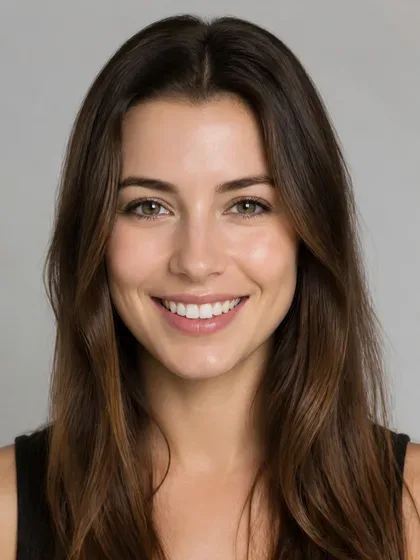
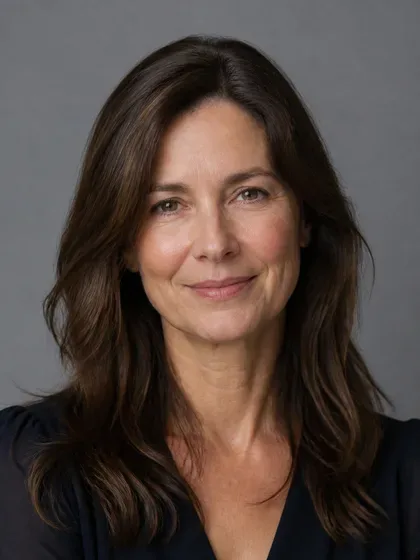
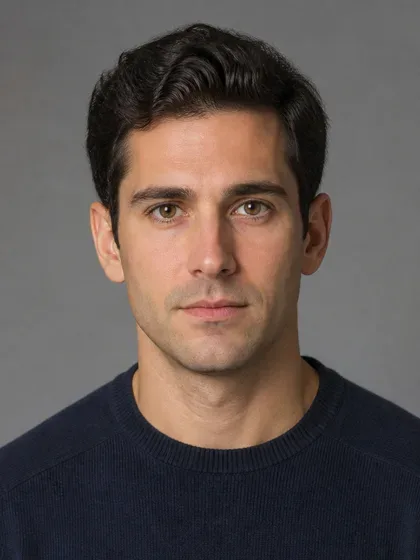
A photo can provide a rough estimate of how old you appear in that particular image, but it cannot determine how old you look to everyone. Lighting, expression, camera position, styling, and the person or tool making the estimate can all affect the result. Treat any number as an image-dependent impression rather than your actual age, and compare a few representative photos if you want to see how much that impression varies.
Before uploading a portrait, check the service’s privacy and image-handling information. You can also explore the question without sharing a photo online.
Resource
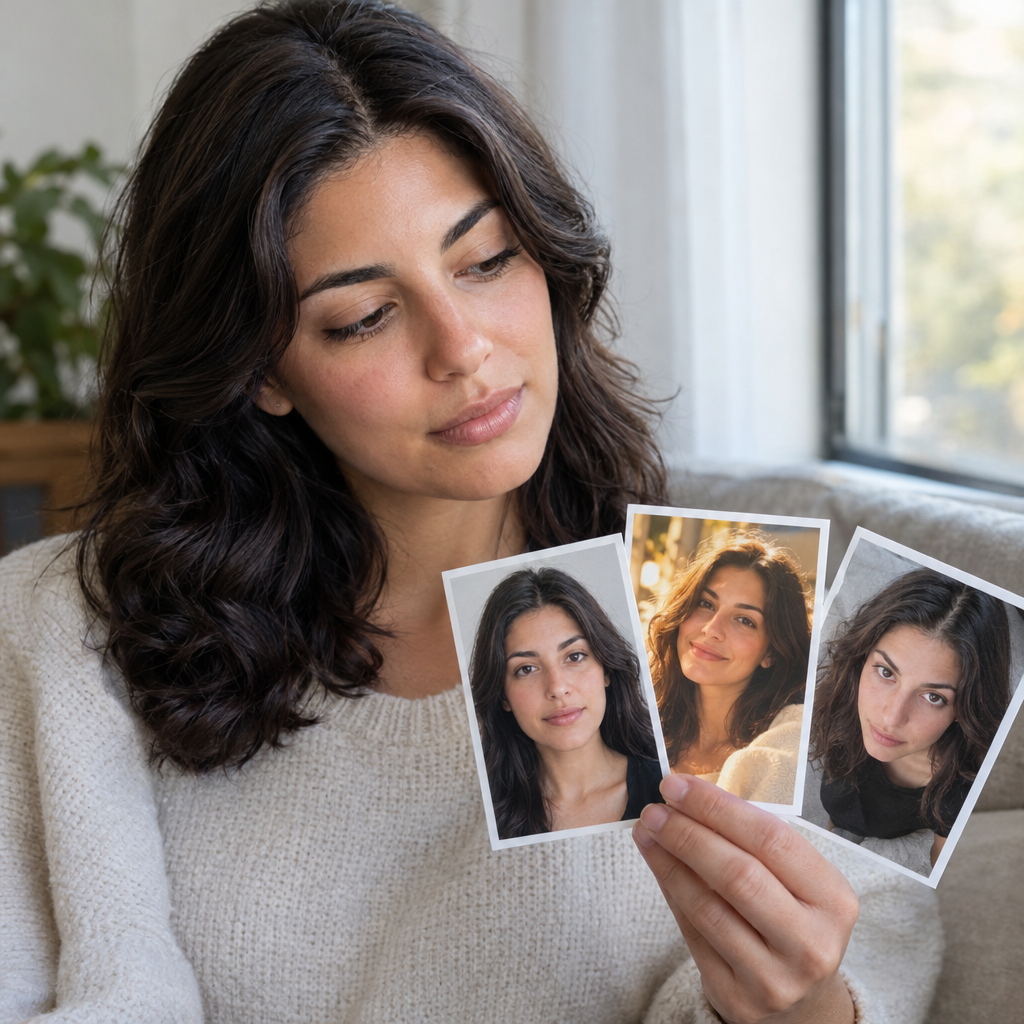
Facefy Face Age Detector provides an AI-generated apparent-age estimate from a photo. Read the result as a response to that image, not a definitive answer about how everyone sees you.
What a photo age estimate can tell you
Three different ideas often get mixed together:
- Chronological age: The number of years you have lived, calculated from your birth date.
- Apparent age: The age you seem to be based on visible cues and context. It can vary between photos and observers.
- Biological age: A broad term used in research for approaches that examine age-related biological characteristics or functioning. There is no single interchangeable measure, and a face photo cannot establish biological age.
A face-photo age estimate addresses only apparent age. It does not confirm your birth date or provide a biological-aging measurement.
A clear, mostly front-facing image can offer a useful starting point for an AI-generated estimate. Even then, the result remains a visual guess rather than an objective measurement of your age.
How to get a more representative first estimate
Choose a photo that resembles how you normally appear rather than your most dramatic portrait or most heavily edited selfie.
Start with these photo basics:
- One visible face: Keep your eyes and most of your facial outline unobstructed.
- Mostly forward-facing: Avoid a pronounced head tilt or a camera positioned far above or below you.
- Ordinary, even lighting: Soft daylight or evenly lit indoor conditions provide a straightforward starting point.
- A natural expression: Relax your face rather than deliberately widening your eyes or tightening your mouth.
- Comfortable camera distance: Avoid holding the lens just inches from your face. Step back or use a timer if needed.
- Minimal alteration: Skip beauty filters, heavy smoothing, aggressive retouching, and crops that remove substantial parts of your face.
A selfie can work. A straightforward portrait may simply make it easier to avoid the perspective changes of a very close selfie. Neither format guarantees an accurate chronological-age guess.
Why you can look different ages in different photos
Some differences come from how a photograph is made. Others come from your appearance or styling at that moment. Separating these factors can prevent you from interpreting every changing result as a change in your face.
| Type | Variable | What can change |
|---|---|---|
| Image | Lighting direction | Shadows and texture visibility |
| Image | Lens distance | Perspective and apparent proportions |
| Image | Camera angle | Visible contours and facial coverage |
| Image | Crop | Available facial and surrounding context |
| Image | Resolution | Amount of visible fine detail |
| Image | Filters | Texture, contrast, and contours |
| Image | Expression | Folds, tension, and overall impression |
| Appearance | Hair | Facial coverage and styling context |
| Appearance | Makeup | Contrast and visible skin texture |
| Appearance | Facial hair | Lower-face coverage and contours |
| Appearance | Other visible styling | Clothing, accessories, and contextual cues |
For example, side lighting may make some surface details more noticeable while hiding others in shadow. That does not mean it consistently adds years to every estimate.
Smiling is similarly variable. It can create expression lines while also changing facial tension and the overall impression. Different viewers or tools may respond differently to those cues.
Hair, makeup, facial hair, and clothing can influence an impression, but no styling choice reliably changes everyone’s estimated age by a particular number of years. Facefy’s Hair Style Try-On can help you preview different hairstyles while keeping the underlying photo consistent.
Use three photos to check whether the result is stable
A small, planned comparison is more useful than repeatedly uploading nearly identical selfies.
Choose three recent, representative photos:
- Neutral and front-facing: Use even lighting and a relaxed expression.
- Naturally smiling: Keep the camera position and lighting similar to the first image where possible.
- Different everyday lighting: Choose an ordinary indoor or outdoor photo without dramatic shadows or filters.
Record each estimate alongside a short description of the photo. Use images that reflect your everyday appearance, not only those likely to return a preferred number.
How to interpret the three results
If the estimates cluster together, the output is relatively consistent across those images. That consistency does not establish chronological accuracy.
If the estimates vary substantially, consider the result unstable for that set of photos. There is no universal acceptable difference that applies to every person or tool.
When summarizing the results, use the observed range or the middle estimate rather than selecting an extreme. For example, hypothetical results of 29, 34, and 38 could be described as “estimates ranging from 29 to 38, with a middle result of 34.” That range describes the outputs, not a statistically established interval for your age.
Stop after the planned comparison. More uploads do not necessarily bring you closer to a single “true” apparent age, and repeated checking can make normal fluctuations seem more meaningful than they are.
Change one variable at a time to find the source of variation
The three-photo comparison shows whether results vary. A controlled comparison can help you identify what might be contributing to that variation.
For an expression comparison:
- Keep the lighting, camera distance, angle, crop, and styling as similar as practical.
- Take one neutral photo and one with a natural smile.
- Compare the estimates without treating either expression as more truthful.
For a separate lighting comparison:
- Keep the pose, expression, distance, crop, and styling similar.
- Change only the lighting environment, such as moving from indirect window light to ordinary room lighting.
- Notice whether the output changes with that adjustment.
You can plan your three-photo set around these comparisons rather than adding an ongoing series of uploads.
If you change your hairstyle, camera angle, expression, and lighting together, you cannot tell which factor influenced the number. Even a carefully matched pair only suggests sensitivity to the photo setup. It does not prove which image shows your “real” apparent age.
Photos that make an age estimate less dependable
Some images provide too little visible information, or alter it too much, to support a confident interpretation.
Heavy filters or retouching
Smoothing, reshaping, and contrast adjustments can change skin texture and facial contours. A smoother-looking image does not guarantee a lower estimate because other altered cues may also influence the output. The overall effect is unpredictable.
Partial face obstruction
Hair across the face, a hand near the mouth, glasses glare, masks, or other objects can obscure relevant details. Ordinary glasses are not automatically a problem, but glare covering the eyes is a more specific concern. Obstruction hides facial information, and you cannot reliably predict whether it will raise or lower the estimate.
Dramatic side lighting
Strong light from one side can deepen shadows and conceal parts of the face. It may emphasize some contours while removing other information, so it does not reliably make everyone appear older or younger.
A very close wide-angle selfie
At very short camera distances, central features can appear larger relative to features farther from the lens. This changes apparent proportions. The resulting age estimate may shift in either direction.
Very low resolution or heavy compression
Blur and compression can remove fine detail or introduce artificial edges and texture. If you cannot clearly see the facial details yourself, avoid assigning much meaning to a precise number returned from that image.
Why AI estimates and human guesses may disagree
An AI-generated number is one system’s estimate from one image. A person may weigh expression, styling, familiarity, cultural context, and surrounding details differently. In person, they also see movement and changing expressions rather than one frozen moment.
Different tools can return different numbers from the same photograph. Neither number automatically represents chronological truth, and agreement between tools does not establish a universal human impression.
One number is one model’s response to one photograph, not a consensus about you.
Apparent age is not evidence of attractiveness, health, lifestyle, maturity, or personal worth. A higher or lower estimate is not inherently a better result.
A privacy check before uploading your photo
Before sharing a facial image, ask:
- Do I have the right to share it? Use your own image or one you have permission to upload.
- Is anyone else visible? Choose a solo image or remove other people from the frame rather than sharing their faces without appropriate consent.
- Does it include a child? Use extra caution with children’s images and consider whether uploading is necessary.
- Am I comfortable with the stated terms? Read the service’s privacy and image-handling information, including what it says about storage, use, sharing, and deletion.
Only continue if you are comfortable sharing the photo under those terms. Curiosity about an age estimate does not require uploading an image.
External resource
For more context on how researchers distinguish chronological age from biological-aging measures, see Biological Age Predictors, a review published in EBioMedicine. Biological-age research involves multiple possible markers and methods, not an age guess based on facial appearance.
Common questions about apparent-age estimates
Can AI accurately guess age from a photo?
It can offer an apparent-age estimate, and that estimate may happen to be close to someone’s actual age. It cannot confirm chronological age from appearance alone. Interpret the result as a visual guess.
Why do different tools give different answers?
Tools can differ in how they interpret visible cues and handle image quality. Their outputs are separate estimates, not interchangeable measurements.
Does smiling make you look younger or older?
There is no consistent direction across all faces, photos, viewers, or tools. Smiling changes expression lines, facial tension, and the overall impression at the same time.
Can hair, makeup, or facial hair affect the result?
Yes. They can change facial coverage, contrast, visible texture, and styling context. The effect is individual and image-dependent, with no dependable number of years attached.
Is apparent age the same as biological age?
No. Apparent age describes a visual impression. Biological age refers to research approaches that examine age-related biological characteristics, and it cannot be established from a face photo.
Should I use a selfie or a portrait?
Either can work if the face is clear, mostly forward-facing, and not heavily altered. A portrait or a selfie taken from a comfortable distance generally avoids the most obvious close-camera distortion. Choose the photo that best represents your everyday appearance, not the one that returns your preferred number.