Best Hair Colors for Olive Skin Tone: A Practical Shade Guide
Explore the best hair colors for olive skin by complexion variation, depth, contrast, starting shade, technique, and maintenance needs.
The best hair colors for olive skin tone include espresso, chocolate brown, chestnut, caramel, honey, beige blonde, muted auburn, burgundy, ash brown, and mushroom brown. The right choice depends on whether your complexion appears golden, neutral, or cool, along with your complexion depth, natural hair color, preferred contrast, and tolerance for upkeep.
Olive skin is not automatically warm, and no shade family is universally off-limits. A promising color often needs a small adjustment in depth, tone, or placement rather than a completely different direction. Dimensional color, such as a brunette base with softer highlights, also provides more room for personalization than one uniform shade.
Start with your olive complexion variation
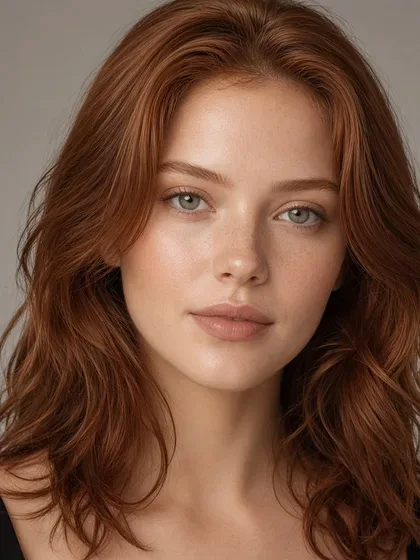
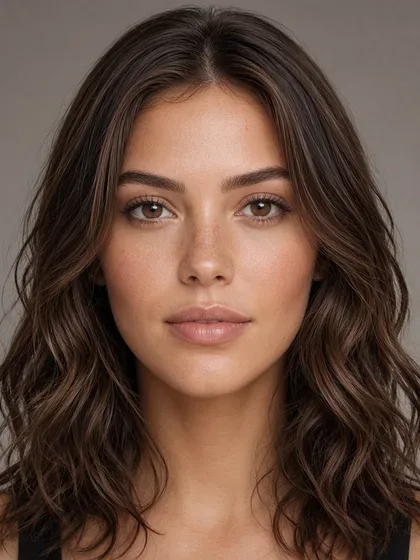
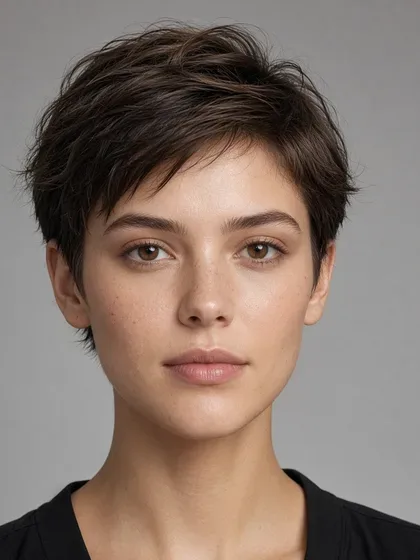
Olive complexions are often described as having a subtle greenish or gray-green cast, but their overall appearance can lean golden, neutral, or cool. These are flexible visual descriptions, not ethnic categories, diagnoses, or permanent labels.
Look at your coloring in indirect daylight, away from strongly colored walls. Warm indoor bulbs, makeup, clothing, and camera processing can change what you see. You do not need a precise undertone label to start comparing colors.
| Olive variation | Shade starting points | Alternative to compare |
|---|---|---|
| Golden-leaning | Chestnut, caramel, honey, warm espresso | If caramel looks too orange, compare muted beige-caramel |
| Neutral | Chocolate, beige blonde, auburn, soft black | If ash looks too gray, compare neutral chocolate at the same depth |
| Cool-leaning | Mushroom brown, ash brown, burgundy, espresso | If mushroom brown looks too gray, add neutral-brown dimension |
Golden-leaning olive: Chestnut and caramel can echo the warmth you already see. If a sample looks more orange than you want, consider a deeper beige-caramel or a brown-dominant chestnut rather than abandoning warm colors.
Neutral olive: Start with balanced shades such as chocolate brown or beige blonde. Then compare a slightly warmer and slightly cooler version at the same depth. This makes it easier to identify which reflect you prefer without confusing warmth with brightness.
Cool-leaning olive: Mushroom brown, dimensional ash brown, and burgundy offer cooler directions. If an ashy shade looks dull beside your complexion, retain some neutral brown or lighter ribbons rather than choosing an even grayer formula.
Factor in complexion depth and the contrast you want
Complexion depth describes how light or deep your skin appears. It is separate from whether your olive coloring leans golden, neutral, or cool.
Use these combinations as starting points, not restrictions:
- Fair to light olive skin: Soft espresso creates a defined frame, while beige brunette offers a gentler transition. Muted auburn adds red-brown warmth, and rooted beige blonde introduces brightness without removing all depth around the face.
- Medium olive skin: Chocolate, chestnut, and honey brunette offer different degrees of warmth. Caramel ribbons add separation within dark hair, while burgundy introduces a red-violet direction.
- Deep olive skin: Rich espresso, soft black, warm dark brown, and deep burgundy provide saturated options. Brighter highlights can create deliberate contrast, especially when concentrated in selected sections.
A deep complexion does not require dark hair, and a light complexion does not require blonde. The more useful question is how much separation you want between your skin, hair, and brows.
Compare two kinds of contrast
Contrast can refer to two different relationships:
- Hair-to-skin contrast: How distinctly the finished color stands apart from your complexion.
- Change contrast: How different the finished color is from your natural roots and eyebrows.
| Change contrast | Visual cue | Maintenance implication |
|---|---|---|
| Low change | Close to natural hair and brows | Root difference is often subtler |
| Medium change | Noticeably lighter, darker, or dimensional | Placement affects how visible regrowth becomes |
| High change | Large depth difference from natural roots or brows | Regrowth may become more noticeable |
Someone with light skin and naturally dark hair can keep a near-natural color while retaining strong hair-to-skin contrast. The two measures can also move in opposite directions.
For example, beige blonde on fair olive skin may reduce hair-to-skin contrast because the finished color is closer to the complexion depth. At the same time, it can increase contrast with naturally dark roots and brows. A shadow root close to the natural color can soften the transition at the scalp, but the blonde lengths may still need toning and care.
With dark brown hair and brows:
- Chocolate brown stays close to the starting depth.
- Caramel balayage introduces a noticeable change while retaining dark roots.
- Pale all-over blonde creates a much larger difference from both roots and brows.
Darker brows with blonde hair can be an intentional, striking combination. They do not need to match. Lower-change color generally makes regrowth less distinct, but gray coverage, placement, and the color formula can alter that calculation.
Compare brunette, blonde, red, and creative color families
Shade names are useful shorthand, but they are not consistent across salons or dye ranges. Describe a color by depth plus dominant reflect, meaning the tone visible in the light. “Medium brown with a muted golden reflect” communicates more than “caramel.”
Brunette: choose the balance of brown, gold, and ash
Espresso and chocolate offer depth, while chestnut introduces red-gold warmth. Caramel brunette usually combines a brown base with lighter golden sections. Ash brown and mushroom brown move toward cooler, more muted tones.
Caramel highlights can work across several olive complexion variations because their brightness, warmth, and placement are adjustable. A golden caramel around the face creates a different result from narrow, beige-caramel ribbons through the lengths.
Useful adjustments include:
- Caramel looks too orange: Choose deeper, beige-leaning caramel and narrower ribbons.
- Ash brown looks too gray: Keep a neutral brown base with selected cooler pieces.
- Espresso looks too uniform: Add subtle brown dimension rather than dramatically lighter highlights.
Blonde: distinguish brightness from coolness
Honey blonde brings golden warmth. Beige blonde balances warm and cool impressions, while dark blonde offers a less dramatic step from lighter brunette hair. Rooted blonde describes the placement of depth at the roots, not a separate color family.
An icy blonde and a beige blonde can be similarly light but look very different beside the same complexion.
- Icy blonde looks too stark or gray: Compare beige blonde at a similar depth.
- Honey blonde looks too yellow: Shift toward beige-gold rather than removing all warmth.
- Blonde looks too pale overall: Add a deeper root or lowlights to restore separation.
Carefully balanced ash blonde remains an option if you enjoy a cool effect. It may need more tonal maintenance when the lightened hair underneath has noticeable warmth.
Red: control saturation as well as warmth
Muted auburn, cinnamon brown, and mahogany keep a visible brown foundation. Wine red and burgundy lean more toward red-violet.
- Orange-red feels too vivid: Choose muted auburn or cinnamon brown.
- Violet feels too saturated: Choose burgundy-brown with more visible brunette depth.
- Auburn looks too bright: Deepen the brown base or use the red tone in selected sections.
Ask for reference images showing the shade in ordinary daylight. Red can look considerably brighter in direct sun or under strong salon lighting.
Creative colors: adjust the amount, not just the hue
Deep plum, muted rose, blue-black, and jewel-toned accents offer different levels of commitment.
- Blue-black feels too cool or intense: Compare soft black or neutral espresso.
- All-over plum dominates the look: Keep a brunette base and place plum through selected lengths.
- Muted rose feels too light: Consider a deeper rose-brown direction instead.
Pastel and some vivid shades may require a much lighter base than their finished appearance suggests. A dark-looking plum may be possible with less lightening than a pale rose, but the achievable result depends on your starting hair and the formula.
Choose the color technique as carefully as the shade
A color family describes the hue. An application technique describes where and how it appears. Caramel is a shade direction, while balayage is a highlighting technique. They are not interchangeable.
| Technique | Visual effect | Root visibility | Typical upkeep burden |
|---|---|---|---|
| All-over color | Relatively uniform color from roots through lengths | Subtle near your natural depth; more visible after a large depth change | Near-natural color may involve less root maintenance. Strong contrast or opaque gray coverage can require more frequent root attention |
| Balayage | Painted dimension with a softer transition into lighter areas | Often less distinct when natural depth remains near the scalp | May reduce root touch-ups, but lightened lengths can still need conditioning and tonal refreshes |
| Face-framing highlights | Brightness concentrated near the face and hairline | More noticeable when bright pieces begin close to the scalp | Softly blended pieces may grow out gently. Bright sections placed at the roots can require more frequent attention |
| Shadow roots | A deeper root area blended into lighter lengths | Usually softened when the root shade resembles natural growth | Can soften the root transition, but does not remove tonal maintenance or care for the lighter lengths |
All-over color
All-over color creates a relatively consistent shade from roots through lengths. It can suit someone who wants an even result rather than distinct ribbons of brightness.
Near-natural all-over color may produce a subtle root transition. A much lighter or darker shade can make regrowth more obvious, while opaque gray coverage may have its own root-maintenance needs.
All-over dark color is not automatically low commitment. Returning to a lighter shade can be complicated, particularly after repeated permanent applications.
Balayage
Balayage uses painted highlights to create dimension and a softer transition into lighter areas. It is often chosen when someone wants brightness without a uniform root-to-end change.
Keeping natural depth near the scalp may reduce the need for root touch-ups. The lightened lengths can still require conditioning, toning, and occasional refinement of the blend.
Balayage is not necessarily blonde, and it does not automatically mean warm. A brunette base can carry beige, caramel, or cooler brown highlights.
Face-framing highlights
Face-framing highlights concentrate brightness near the face. They can be a practical way to explore a lighter shade without changing most of the hair.
A narrow, softly blended frame is a different commitment from thick, bright sections beginning at the scalp. Because these pieces sit prominently at the hairline, noticeable regrowth or tonal changes may draw attention sooner than they would in less visible sections.
Shadow roots
A shadow root uses a deeper shade at the scalp that blends into lighter lengths. It can suit someone who likes lighter hair but wants to retain depth near the roots.
A root shade resembling natural growth may soften a sharp regrowth line. It does not eliminate upkeep, since the blend may need refreshing and the lightened lengths can still require tonal and conditioning care.
Lowlights add darker sections back into lighter hair. They can restore dimension or soften a result that feels too bright without requiring an entirely darker all-over color.
Account for your starting hair, brows, and maintenance preferences
Your starting hair determines how much work a shade requires. Beige blonde on naturally dark blonde hair is a different undertaking from the same shade on hair repeatedly dyed black.
Lightening exposes underlying warm pigment, so a cool-looking result may require toning as well as lift. Permanent color generally does not reliably lighten previously deposited permanent dye. Changing that pigment often requires a different approach.
Brows provide a useful visual anchor, not a matching rule. Keep their depth visible in color comparisons so you can judge whether you like the difference.
Maintenance also varies by color direction:
- Blonde: Warmth may become more visible as toner fades.
- Cool brunette: Ashy tones can soften over time, revealing a warmer brown underneath.
- Red and burgundy: Saturation can fade or shift, so consider whether you would also enjoy a softer version.
- Rooted or balayaged color: Regrowth may blend more easily, but the lighter sections still need care.
A gloss can adjust tone and shine, but it is not a substitute for substantial lightening. Highlights and lowlights change selected sections, while all-over dye changes a much larger area. Commitment depends on the formula and starting point, not the service name alone.
Ask yourself four maintenance questions
- Roots: Would a visible root line bother me, or would I prefer a deliberately rooted effect?
- Fading: Will I still enjoy the shade if it becomes warmer or less saturated?
- Lightening: Am I comfortable with the appointments, cost, and care a major lift may require?
- Routine: Do I like the color on my usual texture, or only when it is professionally styled?
Smooth salon waves can emphasize ribbons of color. Ask to see references on hair with a texture and everyday finish similar to yours.
Know when a strand test or colorist is the practical next step
- Previously dyed dark hair: Accumulated artificial pigment may lift unevenly, especially where applications overlap. Tell the colorist about previous permanent dye, direct dyes, henna, and any lightening.
- Naturally very dark hair: A major blonde change requires substantial lift and management of the warmth revealed along the way. The lightest desired result may not be achievable in one appointment while preserving the condition you want.
- Gray coverage: Decide whether you want opaque coverage or softer blending. Gray strands can differ in texture and color response, while translucent formulas may leave them visibly lighter than surrounding hair.
- Major blonde transformations or corrections: Uneven bands, old highlights, and fragile ends can require different formulas or treatment in different areas. A qualified colorist can assess these differences directly.
A strand test on a small, representative section can show how the hair lifts, which tones emerge, how it feels afterward, and how it accepts the intended color. It cannot guarantee that every section will respond identically.
A strand test also does not replace an allergy alert or patch test. Follow the color manufacturer’s safety instructions, including any required patch test before use.
Use a three-image check before committing
Comparing unrelated inspiration photos mixes too many variables, including different faces, makeup, lighting, hair textures, and camera processing. A controlled comparison is more useful.
- Choose one clear photo. Use indirect daylight, your usual expression, and no color-altering filter. Keep your brows and hairline visible.
- Make three versions. Keep the original hair color, then create two proposed color previews using the same photo. If a preview also changes your skin tone, eyebrows, facial features, or lighting, do not use that version to judge the hair color.
- Keep everything else consistent. The crop, expression, angle, lighting, and complexion should remain unchanged between versions.
- Compare skin-hair separation. Does the hair create the soft blend or distinct frame you wanted?
- Check brow harmony. Does the difference between brows and hair look intentional to you?
- Shrink the images to thumbnail size. Judge the overall effect before examining individual highlights. Notice whether the hair draws more attention than you intended.
Compare broad families first, such as chocolate brown versus muted auburn. Once you prefer one direction, refine its depth, reflect, and placement.
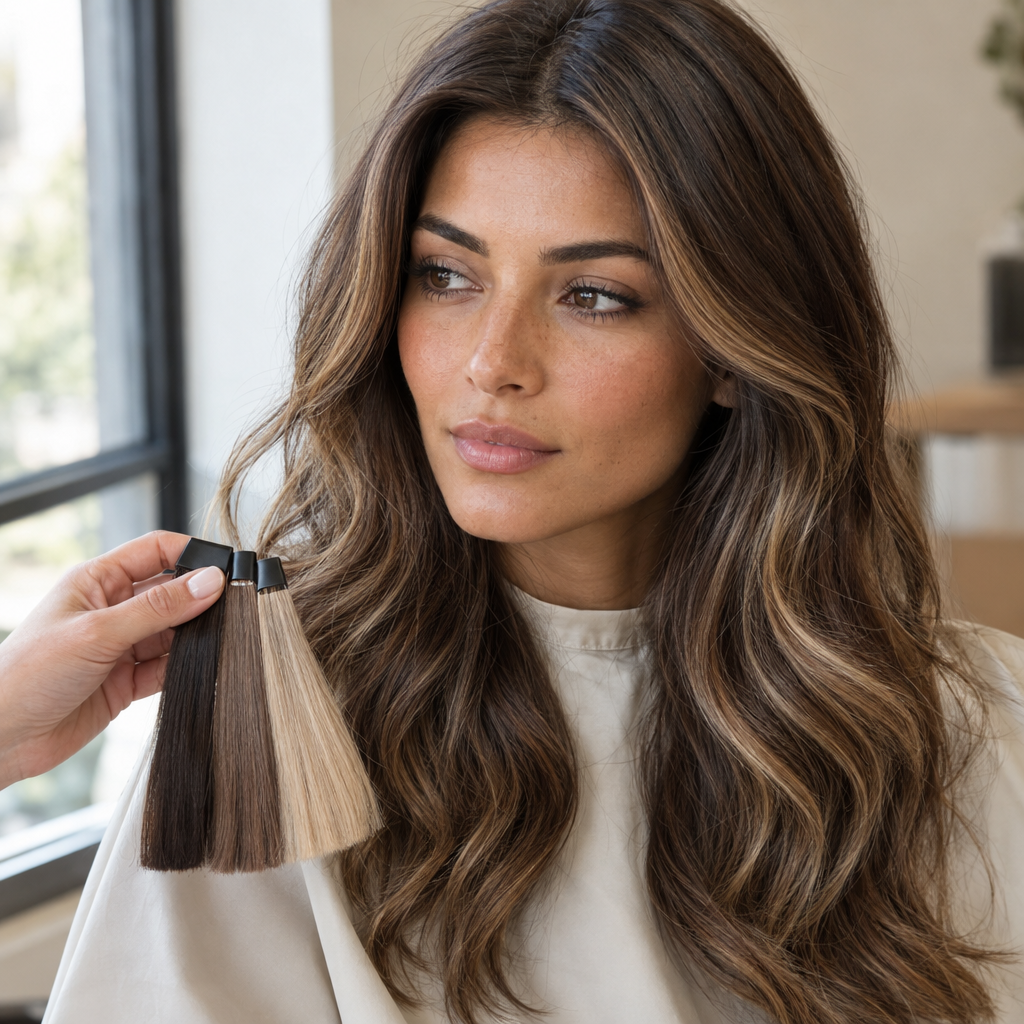
If digital previews are unavailable, hold physical hair-color swatches near your face in indirect daylight. Swatches help you compare tones, although they cannot show how a dye will develop on your hair.
For the two digital alternatives, Hair Color Try-On offers a way to preview different hair colors on your photo. Treat the images as visual estimates, not promises of a salon result. Camera processing and lighting affect the preview; current dye, texture, porosity, and the color formula affect what is achievable on your actual hair.
A final checklist for narrowing your options
Before choosing a shade, make sure you can describe these six details:
- Complexion appearance: Golden-leaning, neutral, cool-leaning, or somewhere between.
- Color direction: A family, depth, and reflect, such as “medium chocolate brown with restrained golden ribbons.”
- Contrast preference: Close to your natural coloring, moderately different, or deliberately dramatic.
- Placement: Uniform color, blended highlights, face-framing brightness, or lighter lengths with a deeper root.
- Comparison result: Which of two controlled previews you preferred, and specifically why.
- Practical commitment: The lightening, fading, root visibility, and care you are comfortable with.
Bring reference photos, but explain the details you want to borrow. “I like the depth of this brunette, the beige tone of these highlights, and this softly blended root” gives a colorist more direction than a shade name alone.