PSL Meaning: How the Rating Scale Works and Why Scores Vary
Learn what PSL means in looksmaxxing, how informal ratings work, why scales conflict, and how photos and subjective judgment affect scores.
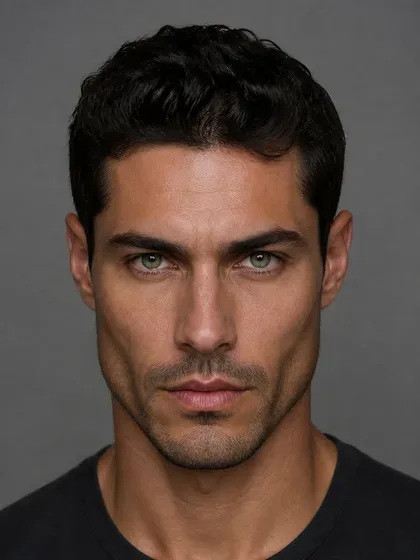
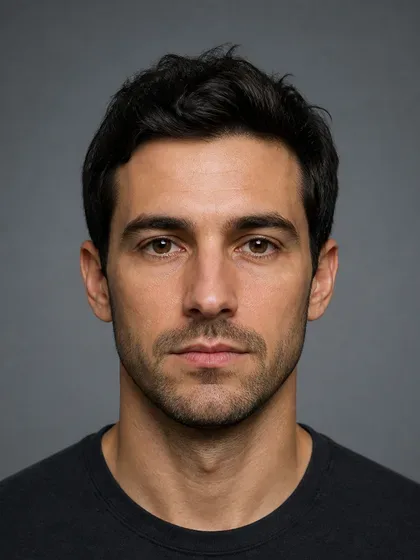
In looksmaxxing and online appearance discussions, PSL means an informal attractiveness-rating framework. The term is commonly linked to the PUAHate, Sluthate, and Lookism forum ecosystem, although accounts of its origin and expansion vary. A “PSL rating” is a score assigned within one version of that framework, not an objective measurement of attractiveness.
PSL also has unrelated meanings in technology, sports, ticketing, and coffee. Nearby words usually tell you which definition applies.
What PSL means in looksmaxxing
Looksmaxxing is internet slang for attempts to change or enhance someone’s appearance. In these discussions, PSL is used as shorthand for rating facial attractiveness according to a community’s preferences.
There is no single official PSL standard, governing organization, or universally accepted scoring guide. Calling something a “PSL scale” does not make it a scientifically validated measure.
Which meaning of PSL fits the context?
Look at the subject of the post before interpreting the acronym.
| Context | PSL meaning | Typical clues |
|---|---|---|
| Appearance discussions | Informal attractiveness-rating framework | Rating, face, looksmaxxing |
| Web and domains | Public Suffix List | Cookies, browsers, domain names |
| Sports ticketing | Personal Seat License | Stadium, seats, season tickets |
| Cricket | Pakistan Super League | Teams, matches, wickets |
| Coffee and seasonal posts | Pumpkin spice latte | Coffee, autumn, espresso |
For example, “my PSL rating” in a looksmaxxing video probably refers to appearance. “PSL cookies” in a browser discussion likely concerns the Public Suffix List, which identifies domain suffixes such as com and co.uk.
How people use PSL rating language online
Three phrases appear frequently:
- “PSL rating” means an informal appearance score assigned by a person, community, or automated tool. Without the scale’s criteria, the number tells you little.
- “High PSL” generally means the speaker considers someone attractive according to that community’s preferences. It has no universal numerical threshold.
- “PSL god” is exaggerated slang for someone regarded as exceptionally attractive within the framework. It is not a validated classification.
These expressions describe how a community talks, not factual categories of people. Lower-tier labels can be demeaning, particularly when they are treated as identities or used to make claims about someone’s social value.
You can understand the vocabulary without accepting the hierarchy behind it.
Why PSL scales use conflicting numbers and tiers
Some discussions use a familiar 1-to-10 scale. Others use narrower ranges, including versions described as being out of 8, or assign people to named tiers. Neither convention is official.
| Element | How versions differ | Why it matters |
|---|---|---|
| Range | 1–10, narrower ranges, tiers | Endpoints are not interchangeable |
| Criteria | Different traits receive different emphasis | Ratings reflect chosen priorities |
| Labels | Numbers, tiers, descriptive categories | Labels lack shared definitions |
A score from one version cannot be reliably converted into another by simple arithmetic. Multiplying a score out of 8 by 1.25 would assume that both systems use equally spaced intervals and identical criteria. Informal PSL scales do not establish those assumptions.
Before interpreting a number, ask:
- What range does this version use?
- What does the evaluator say each score means?
- Which traits are being emphasized?
- Is the judgment based on one photograph or several views?
If those details are missing, a claim such as “that person is a 6” is an opinion with an unclear reference point.
Visible facial characteristics are not the same as attractiveness
PSL discussions often mix three different kinds of information: visible relationships, presentation choices, and personal preferences.
Observable features and image measurements
Relative facial widths, distances between visible features, and apparent left-right symmetry can be described or measured within a photograph.
For example, you can compare the visible width of the mouth with the distance between the eyes. That produces an image-based ratio. Facefy’s Facial ratio analysis offers a way to explore proportional relationships between visible facial features in a photograph. These measurements do not establish whether a particular relationship is attractive.
These measurements depend on pose, camera position, perspective, and whether the relevant features are visible. Cropping alone changes the framing and may remove useful boundaries, but it does not change the relative facial proportions that remain in the image. Moving the camera changes perspective, while nonuniform image stretching can distort the geometry itself.
Presentation-dependent characteristics
Skin presentation, hairstyle, facial hair, makeup, expression, and apparent feature definition affect the image someone sees.
A jaw contour may look more defined under side lighting. A hairstyle can change the visible outline around the forehead. Neither observation, by itself, establishes a change in underlying facial structure.
Subjective interpretation
Turning observations into an attractiveness score requires choices about what matters and how much weight to give it. Those choices reflect individual and cultural preferences, not a universal formula.
| Type of statement | Example | What it establishes |
|---|---|---|
| Descriptive observation | One eyebrow appears higher | A visible relationship in the image |
| Subjective preference | This expression looks more appealing | The viewer’s personal preference |
Symmetry and facial proportions are separate analytical concepts. Neither proves beauty, health, or personal worth.
Related reading:
- Facial ratio analysis
- Facial symmetry check
Why the same person can receive different PSL ratings
Both people and automated systems respond to the image presented. Before comparing two photographs or assessments, use this six-factor photo self-check.
-
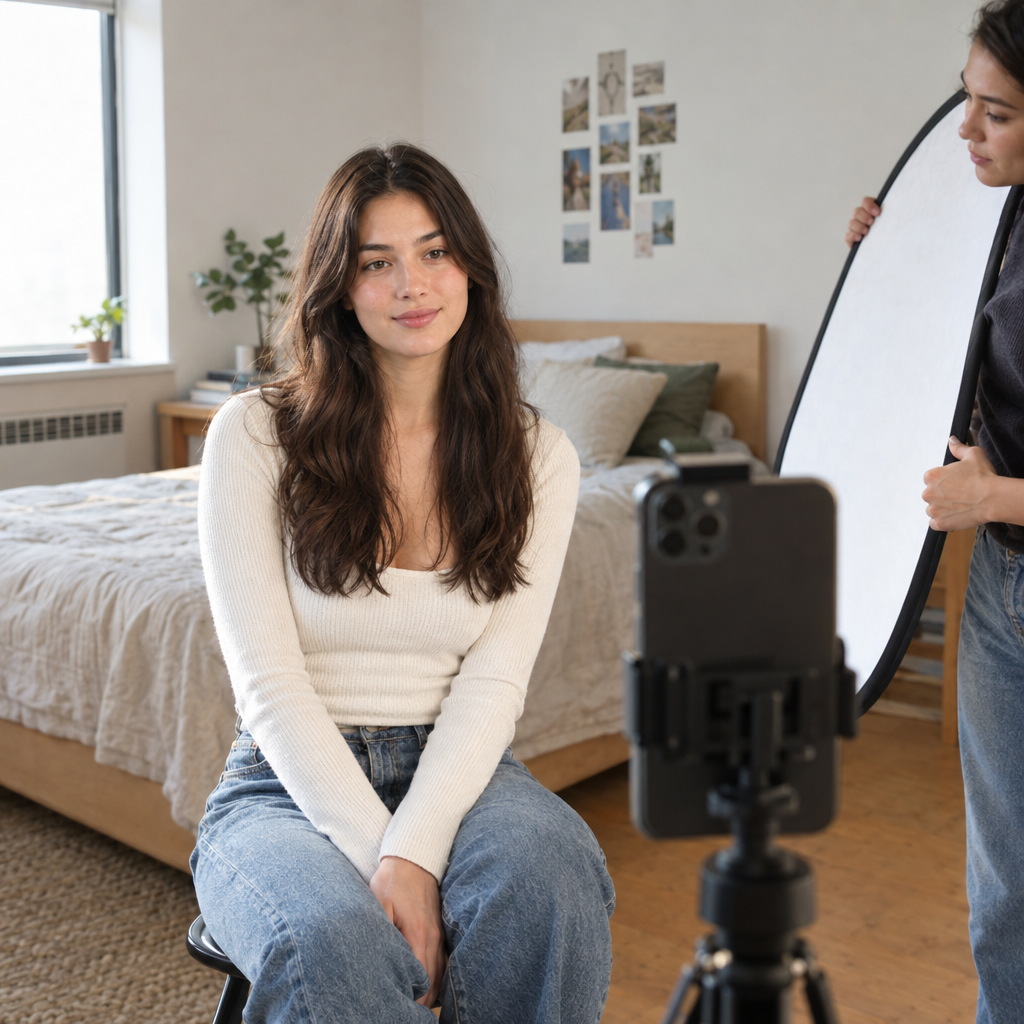
Camera distance: Were both photographs taken from approximately the same distance? Close photographs exaggerate depth differences, making features nearer the camera appear larger relative to those farther away. For a more consistent comparison, avoid close arm’s-length selfies and use a timer with the camera farther back.
-
Focal length and lens effects: Did you use the same camera and lens setting? Perspective mainly changes with camera position, not focal length alone. However, lens choice often changes how close you stand. Optical distortion and digital processing can also affect the result. Avoid comparing an ultrawide selfie with a portrait-mode photograph.
-
Head angle: Is the head facing the same direction without a sideways tilt? A straight-on view, three-quarter view, and profile reveal different contours. Keep the camera near eye level and compare like with like.
-
Lighting direction: Is the light coming from the same place? Overhead light can deepen shadows beneath the eyes, while side light can emphasize contours. Soft frontal light, such as indirect window light, usually makes comparisons easier.
-
Facial expression: Are the eyes, lips, and jaw similarly relaxed? Smiling, squinting, raised eyebrows, or jaw tension change visible relationships. Do not compare a relaxed portrait with a deliberately tightened expression and interpret the difference as structural.
-
Grooming or styling: Are hair, facial hair, makeup, and accessories similar? These can change framing, contrast, and visible boundaries. Keep them consistent unless styling is the specific variable you want to compare.
Also use clear, unfiltered images with similar framing. Blur, smoothing, and missing face boundaries make comparisons less informative.
For a simple comparison, keep the camera, distance, pose, expression, and styling similar, then take a baseline photograph and another under different lighting. You can compare how the presentation changes without assigning either image a number. This may reveal sensitivity to lighting, but differences between evaluators still prevent a firm conclusion about what caused any rating change.
Is a PSL rating scientific or objective?
No. PSL is not a scientific, clinical, or diagnostic framework. A numerical result can look precise without having a reliable or universally accepted meaning. It also cannot evaluate jaw function, skin conditions, mental health, or any other medical concern.
An AI-generated PSL result is an estimated visual assessment of an uploaded image under a tool’s chosen framework. Software does not remove the interpretive choices involved in assigning attractiveness scores. Different people, communities, and tools may give different weight to the same traits.
Related methods answer narrower or different questions:
- Symmetry analysis compares apparent left-right relationships. Facefy’s Facial symmetry check offers a way to explore visible similarities and differences between the two sides of a face in a photograph. It does not establish overall attractiveness.
- Facial proportion analysis examines relative distances or widths. A measured ratio is not a beauty verdict.
- Golden-ratio comparisons compare selected proportions with approximately 1.618. Matching that number does not prove attractiveness.
- Broader attractiveness estimates assign an overall interpretation to visible features and presentation. They remain dependent on the evaluator or model.
A decimal such as 6.37 should not be read as proof that someone is meaningfully more attractive than a person assigned 6.31. Extra digits do not demonstrate that the method can support such a fine distinction.
Be cautious of unexplained precision, claims of universal beauty standards, or pressure to buy treatments because of a score. Appearance ratings cannot establish health, identity, personality, or worth.
How to interpret appearance scores without overvaluing them
The useful question is not “What is my permanent PSL number?” It is “What, if anything, does this assessment help me understand about this image?”
Use this decision framework:
- If you are decoding a post: identify the community and scale. You do not need a personal score to understand the terminology.
- If you are comparing presentation choices: keep photo conditions consistent and change one thing, such as hairstyle or lighting.
- If you are curious about an automated result: treat it as limited feedback or entertainment, not confirmation of how everyone sees you.
- If you want health or treatment advice: an appearance rating is not the appropriate source.
For readers curious about how an automated framework interprets a photo, an optional next step is:
- PSL Score Test: Facefy’s AI-generated appearance assessment. Results may change across photos and should not be treated as objective or permanent ratings.
Before uploading, consider the service’s privacy terms and use only photos you have permission to share.
Repeatedly submitting images cannot reveal a definitive PSL score because no such universal score exists. If rating content leads to distress, persistent self-criticism, or compulsive checking, stepping away is a reasonable choice.
PSL meaning FAQ
What does PSL mean on TikTok?
In looksmaxxing or facial-rating videos, PSL usually refers to an informal attractiveness-rating framework. In a coffee video, it may mean pumpkin spice latte. The surrounding topic matters more than the acronym alone.
Is the PSL scale out of 8 or 10?
Both out-of-8 versions and 1-to-10 versions circulate, along with tier-based systems. Neither is official, and scores cannot be reliably converted without shared definitions and criteria.
What is considered a high PSL score?
It depends on the scale and community. Without knowing the range, criteria, and meaning assigned to each tier, “high PSL” simply means the evaluator views someone as attractive within that framework.
Does PSL always refer to appearance?
No. It can also mean Public Suffix List, Personal Seat License, Pakistan Super League, or pumpkin spice latte. Read it alongside the nearby words, and treat appearance-related usage as community slang rather than a factual classification of a person.